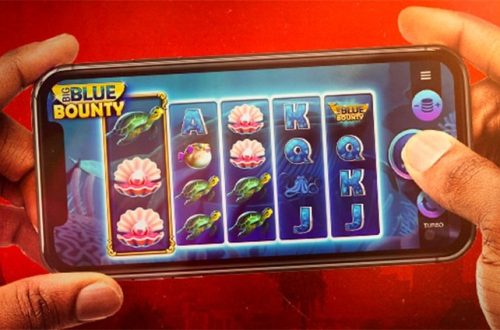
In the past two decades, online gaming has evolved from a niche hobby into a global cultural phenomenon. Today, millions of people around the world engage in digital play, connecting through complex multiplayer games, competitive esports, and immersive virtual worlds Dewatogel. This surge is fueled by technological advancements, social connectivity, and the ever-growing diversity of gaming experiences.
What is Online Gaming?
Online gaming refers to video games that are played over the internet. Unlike traditional single-player games, online games allow players to interact, compete, and collaborate with others in real time. These games can range from casual mobile apps to large-scale multiplayer role-playing games (MMORPGs) and competitive esports titles.
The Appeal of Online Gaming
-
Social Connection: One of the biggest draws of online gaming is its social aspect. Players can communicate, form teams, and build friendships across the globe. Many online communities thrive in forums, streaming platforms, and social media, creating a sense of belonging for gamers.
-
Entertainment and Escapism: Online games offer immersive worlds that allow players to escape reality. Whether exploring fantasy realms or strategizing in a virtual battlefield, gaming provides an engaging form of entertainment that captures imagination and creativity.
-
Skill Development: Surprisingly, online gaming can foster a variety of skills. Strategic thinking, teamwork, problem-solving, and quick reflexes are often honed through gameplay. Competitive gaming, in particular, encourages focus, discipline, and adaptability.
Economic and Cultural Impact
The online gaming industry has grown into a multi-billion-dollar global market. Esports tournaments now attract millions of viewers, with professional gamers earning substantial salaries and sponsorships. Streaming platforms like Twitch and YouTube Gaming have also turned casual gamers into influencers, creating a new digital economy.
Culturally, online gaming has reshaped how people socialize, consume media, and participate in fandoms. Game releases are major events, and popular franchises often expand into movies, merchandise, and novels, blurring the lines between gaming and mainstream entertainment.
Challenges and Considerations
Despite its benefits, online gaming also comes with challenges. Excessive gaming can lead to health issues, including eye strain, poor posture, and disrupted sleep patterns. Online interactions sometimes expose players to harassment or toxic behavior. Furthermore, the addictive nature of some games requires players and families to maintain a healthy balance.
The Future of Online Gaming
As technology advances, the future of online gaming looks increasingly immersive. Virtual reality (VR), augmented reality (AR), and cloud gaming are creating new ways to interact with digital worlds. Artificial intelligence is also enhancing game design, offering more adaptive and realistic experiences. The convergence of gaming with social media, streaming, and education suggests that online gaming will continue to expand its influence in our daily lives.
Conclusion
Online gaming is more than just a pastime—it is a dynamic cultural and economic force. It fosters connection, creativity, and competition while pushing the boundaries of technology and entertainment. Like any powerful tool, it comes with challenges, but when approached thoughtfully, online gaming offers a unique window into a rapidly evolving digital world.